ARM Lookback Date Calculator
An adjustable rate mortgage does not always use the index value available on the exact date your interest rate changes. Many ARM loans use a lookback period, which means the lender refers to an index value from an earlier date when determining the new rate.

The ARM Lookback Date Calculator helps identify the relevant index date for an upcoming ARM adjustment. By entering the scheduled adjustment date and the applicable lookback period, you can determine which earlier date should be reviewed for the index value used in the rate calculation.
This can make ARM adjustments easier to understand and can help borrowers prepare for changes in their mortgage payment.
What Is an ARM Lookback Date?
The lookback date is the date from which the lender takes the index value used to calculate an ARM interest rate adjustment.
For example, suppose your mortgage adjusts on August 1 and the loan has a 45 day lookback period. The applicable index may come from a date approximately 45 days before August 1, depending on the exact terms of the loan.
The actual calculation can vary because ARM documents may define the lookback period using calendar days, business days, publication dates, or another specific convention.
That is why the calculator should be used alongside the adjustment provisions in your loan documents.
Why the Lookback Date Matters
The index used for an ARM adjustment can change from one period to another. A lookback provision determines which published index value is considered when establishing the new interest rate.
A borrower may therefore see a different rate than expected if they only look at the index published on the adjustment date.
The lookback date can affect:
- The index value used for the adjustment
- The fully indexed interest rate
- The new mortgage payment
- The timing of rate change preparation
- The information you review before an adjustment
Understanding the date helps you identify the specific index information that may apply to your loan.
How the Calculator Works
The calculator uses the scheduled ARM adjustment date and the lookback period specified by the loan.
For a basic calendar day calculation:
Lookback Date = Adjustment Date minus Lookback Period
For example:
These dates are examples based on calendar day subtraction. Your mortgage agreement may use a different method.
Lookback Periods Can Vary
There is no universal lookback period for every ARM. Different mortgage products and loan documents can specify different timing rules.
Some loans may refer to an index value published a certain number of days before the adjustment date. Others may use a specific publication date or business day convention.
Before relying on the result, check the section of your mortgage documents that explains how the index is selected.
The calculator provides a date based on the information you enter. It does not determine which index methodology your lender is contractually required to use.
Example: Finding an ARM Lookback Date
Imagine a borrower has an ARM scheduled to adjust on November 1.
The loan documents specify a 45 day lookback period.
The calculator subtracts 45 calendar days from November 1 to identify the corresponding reference date.
The borrower can then review the applicable published index information around that date, subject to the exact rules stated in the mortgage agreement.
This is more useful than simply checking the index on November 1 because the loan may not use that day's index value.
Lookback Date vs Adjustment Date
These two dates serve different purposes.
The adjustment date is when the new ARM interest rate becomes effective under the loan terms.
The lookback date identifies the earlier date associated with the index information used to establish that new rate.
The two dates should not be treated as interchangeable.
Knowing the adjustment date tells you when the loan changes. Knowing the lookback date helps you understand which index information may be used to determine the new rate.
Lookback Date and the ARM Rate Formula
An ARM commonly combines an index with a lender specified margin.
The general structure is:
New Interest Rate = Applicable Index + Margin
The lookback provision helps determine which index value is applicable for the adjustment.
For example, if the applicable index is 4.20 percent and the mortgage margin is 2.25 percent, the fully indexed rate would be 6.45 percent before applying any contractual rate caps, floors, or other limitations.
The lookback date therefore plays an important role in identifying the input used in the rate calculation.
What Happens After You Find the Date?
Finding the lookback date is only the first step.
Once the date has been identified, review the mortgage agreement to determine:
- Which index applies
- How the index is published
- Which publication is used
- Whether the loan uses a specific business day rule
- What margin applies
- What periodic adjustment cap applies
- Whether a lifetime rate cap applies
- Whether a rate floor applies
These provisions work together to determine the new interest rate.
Use the Calculator Before an Upcoming ARM Adjustment
Borrowers approaching an ARM adjustment may want to understand the process before receiving the new payment information.
Knowing the expected reference date can help you organize the information you need to review.
For example, you can use the calculator to:
• Identify the approximate index reference date
• Prepare for an upcoming rate adjustment
• Review historical index information
• Compare potential rate scenarios
• Understand why the adjustment may use an earlier index value
• Estimate how a rate change could affect your payment
Lookback Date Does Not Predict the New Rate
The calculator identifies a date. It does not automatically predict the future ARM interest rate.
The final rate can depend on the index value, margin, adjustment limits, rounding rules, and other provisions contained in the loan agreement.
This distinction is important when planning for an upcoming adjustment.
A lookback date tells you when to look. The applicable index and loan terms determine what rate may result.
Planning for an ARM Adjustment
Once you know the expected lookback date, you can build several rate scenarios.
For example, you might compare the effect of:
These are only planning scenarios. The actual rate depends on the applicable index and the terms of the mortgage.
When This Calculator Can Be Useful
The ARM Lookback Date Calculator can be useful for borrowers who:
• Have an upcoming ARM adjustment
• Want to understand their mortgage adjustment notice
• Need to identify the relevant index reference date
• Are reviewing their ARM loan documents
• Want to prepare rate scenarios
• Are considering whether to refinance before a future adjustment
• Want to understand how ARM rate adjustments are determined
Important Details to Check in Your Loan Documents
Before using the calculated date as the final reference date, locate the ARM adjustment section of your mortgage documents.
Look for terms describing the index, adjustment date, lookback period, margin, rate caps, rate floors, rounding method, and publication source.
These details determine how your lender calculates the actual rate.
The calculator is a planning tool and should not replace the contractual provisions of your mortgage.
Frequently Asked Questions
What is an ARM lookback date?
It is the earlier date used to identify the index information for an ARM interest rate adjustment.
How do I calculate a lookback date?
Start with the scheduled adjustment date and subtract the lookback period specified by your mortgage agreement.
Is the lookback date the same as the ARM adjustment date?
No. The adjustment date is when the new rate takes effect, while the lookback date refers to the earlier date used for selecting the applicable index information.
Can every ARM use the same lookback period?
No. Lookback rules vary between mortgage products and loan agreements.
Does the lookback date determine my new interest rate?
No. It helps identify the index information used in the rate calculation. The margin, caps, floors, rounding rules, and other loan provisions can also affect the final rate.
Can I use the calculator for an upcoming adjustment?
Yes. Enter the adjustment date and lookback period specified in your mortgage documents to calculate the corresponding reference date.
What if my loan uses business days instead of calendar days?
The basic calendar calculation may not match your contractual reference date. Review the loan documents for the exact timing convention.
Why does an ARM use a lookback period?
A lookback provision gives the lender a defined index reference point before the adjustment takes effect. The exact purpose and methodology depend on the loan agreement.
Should I use the index value from the adjustment date?
Not necessarily. If your ARM has a lookback provision, the loan may require an index value associated with an earlier date.
Can the calculator tell me my next mortgage payment?
No. It identifies the lookback date. Payment calculations require additional information such as the new interest rate, remaining principal, remaining term, and payment structure.
Prepare for Your Next ARM Adjustment
Understanding the timing behind an ARM adjustment can make rate changes easier to review. Use the ARM Lookback Date Calculator to identify the reference date, then review your loan documents and applicable index information before estimating the potential impact on your mortgage.
Merchants Home Lending can also help borrowers understand the broader factors involved in ARM financing, including rate adjustments, payment changes, refinancing considerations, and loan options.
Check VA Rates Now
Take a first step towards your dream home

Free & non binding
No documents required
No impact on credit score
No hidden costs
1 Day
Avg. Loan Approval Period
90%
of our business are VA Home Loans
$1B+
VA loans funded
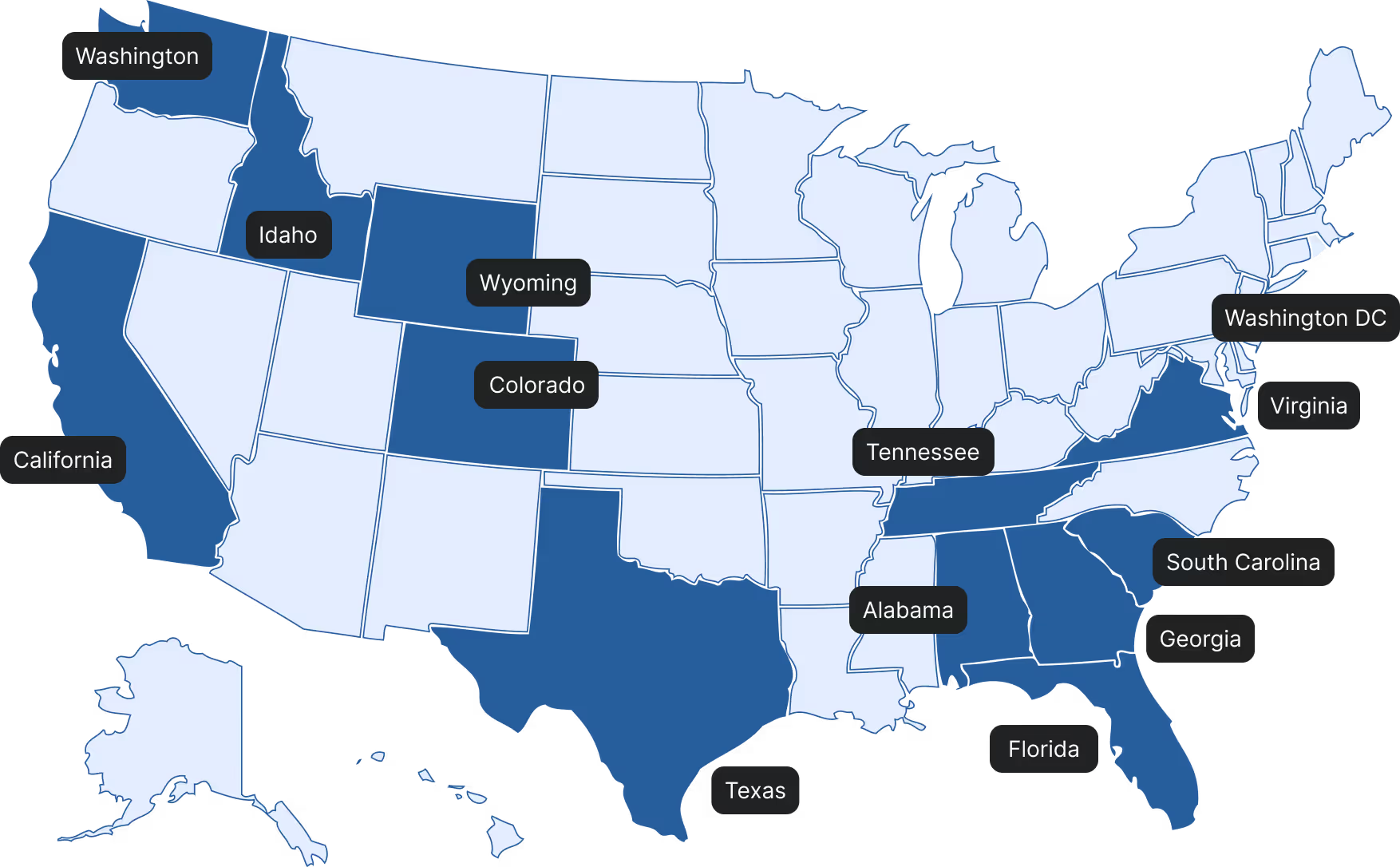
States Where We Do Business